When we think of Latvia today, we may picture its beautiful landscapes, cultural heritage, and welcoming people. However, like many countries, Latvia has a complex history with conflicts that have shaped its development over the years. In this blog post, we will delve into some of the key historical conflicts that have impacted Latvia's journey.
Category : | Sub Category : Posted on 2024-10-05 22:25:23
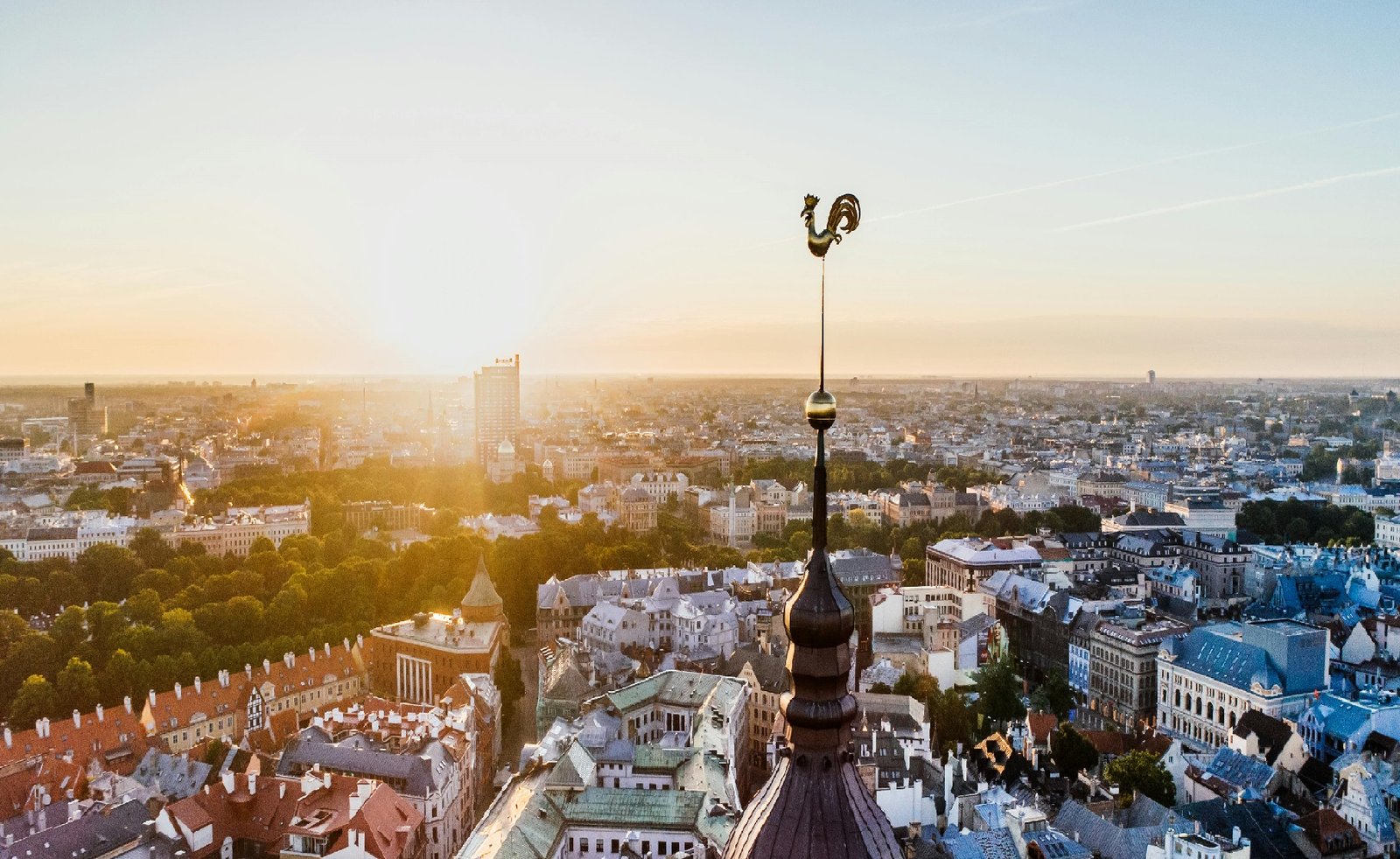
One of the most significant conflicts in Latvia's history is its struggle for independence from foreign powers. For centuries, Latvia was controlled by various states and empires, such as the Swedish, Polish, and Russian empires. The fight for independence was long and arduous, culminating in Latvia declaring independence in 1918. However, this independence was short-lived, as Latvia was soon occupied by the Soviet Union in 1940, then by Nazi Germany during World War II, and again by the Soviet Union after the war. The period of Soviet occupation was a time of great difficulty for Latvia, with repression, forced collectivization, and the suppression of national identity. Many Latvians were deported to Siberia, and the country's cultural and political institutions were severely restricted. The struggle against Soviet rule culminated in the Singing Revolution of the late 1980s, a peaceful movement that played a key role in Latvia regaining its independence in 1991. Another conflict that has left its mark on Latvia's history is the Holocaust. During World War II, Latvia was occupied by Nazi Germany, and the Holocaust claimed the lives of thousands of Latvian Jews. The atrocities committed during this dark period have had a lasting impact on Latvia's society and collective memory. In more recent history, Latvia has faced challenges related to its relationship with Russia. Tensions between the two countries have been ongoing, particularly in the context of Latvia's NATO and EU membership. The annexation of Crimea by Russia in 2014 further heightened these tensions, as Latvia, a former Soviet republic, expressed solidarity with Ukraine and concerns about Russian aggression. Despite these conflicts in its history, Latvia has emerged as a resilient nation with a strong sense of identity and independence. The country has made significant strides in rebuilding its economy, fostering democratic institutions, and preserving its cultural heritage. Today, Latvia is a proud member of the European Union and NATO, contributing to regional stability and security. As travelers, it is important to understand the historical context of the places we visit. By learning about Latvia's history of conflicts and resilience, we can gain a deeper appreciation for the country and its people. Visiting Latvia offers an opportunity to witness firsthand the impact of these historical conflicts and to celebrate the country's rich cultural heritage and vibrant spirit. also click the following link for more https://www.qqhbo.com For valuable insights, consult https://www.travellersdb.com For a different angle, consider what the following has to say. https://www.mimidate.com also for More in https://www.cotidiano.org To learn more, take a look at: https://www.topico.net
Leave a Comment:
SEARCH
Recent News
- The Schengen Zone is a popular travel destination for many tourists looking to explore a multitude of beautiful countries in Europe. From historic landmarks to stunning landscapes, this area offers something for everyone. One unique and stylish item that travelers often pick up as a souvenir is a woolen stole.
- **Exploring Winter Stoles in the Schengen Zone**
- The Schengen Zone, known for its open borders and seamless travel opportunities, is also home to a diverse range of wildlife that requires conservation efforts to ensure their survival. From the majestic brown bears of Slovenia to the elusive lynx of Sweden, the Schengen Zone is rich in biodiversity that must be protected for future generations to enjoy.
- The Schengen Zone and Vancouver's Top Startups: Exploring Innovation Across Borders
- The Schengen Zone and its Impact on Vancouver's Export-Import Industry
- The Schengen Zone is a region in Europe known for its open borders and the ease of travel it offers to the citizens of its member countries. On the other side of the world, in Vancouver, Canada, businesses are flourishing in a diverse and dynamic economy. While these two may seem unrelated at first glance, there are ways in which they intersect and impact each other.
- The Schengen Zone is a region in Europe that consists of 26 countries which have agreed to eliminate border controls between them, allowing for passport-free travel within the zone. This area is a popular destination for many travelers seeking to explore multiple countries without the hassle of border checks.
- The Schengen Zone and UK Government Business Support Programs are two important aspects that can greatly impact businesses operating in the European region. Understanding these concepts and how they can benefit businesses is key to success in today's global economy.
READ MORE
11 months ago Category :

The Schengen Zone is a popular travel destination for many tourists looking to explore a multitude of beautiful countries in Europe. From historic landmarks to stunning landscapes, this area offers something for everyone. One unique and stylish item that travelers often pick up as a souvenir is a woolen stole.
Read More →11 months ago Category :

**Exploring Winter Stoles in the Schengen Zone**
Read More →11 months ago Category :

The Schengen Zone, known for its open borders and seamless travel opportunities, is also home to a diverse range of wildlife that requires conservation efforts to ensure their survival. From the majestic brown bears of Slovenia to the elusive lynx of Sweden, the Schengen Zone is rich in biodiversity that must be protected for future generations to enjoy.
Read More →11 months ago Category :
