Urban Redevelopment in Latvia: Tips and Tricks for Successful Projects
Category : | Sub Category : Posted on 2024-10-05 22:25:23
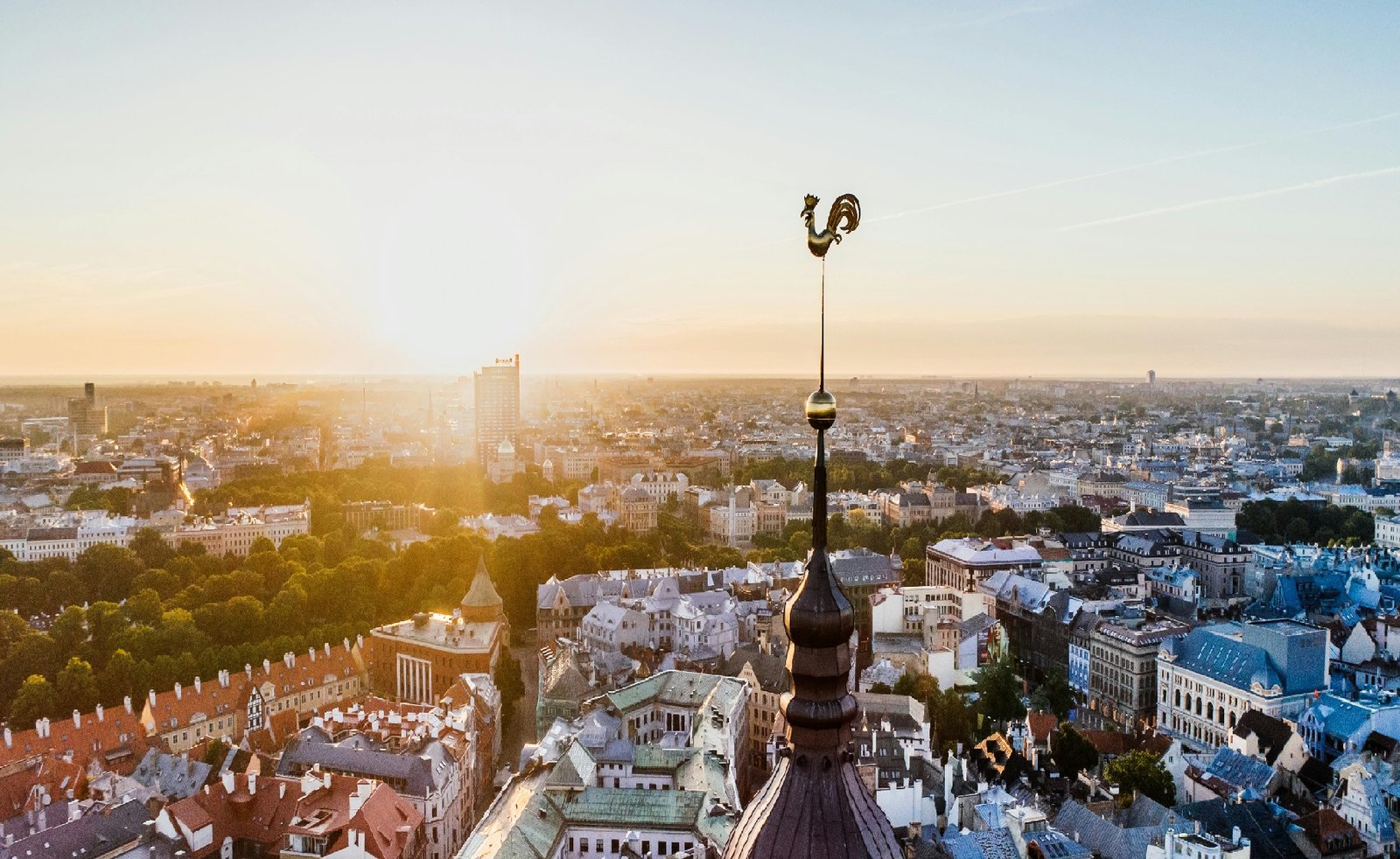
Urban redevelopment plays a crucial role in transforming cities and creating vibrant, sustainable communities. In Latvia, urban redevelopment projects aim to revitalize neighborhoods, boost economic growth, and improve quality of life for residents. However, these projects come with their own set of challenges and complexities. To ensure the success of urban redevelopment initiatives in Latvia, here are some tips and tricks to keep in mind: 1. Stakeholder Engagement: Engaging with stakeholders, such as residents, businesses, community organizations, and government agencies, is essential for the success of urban redevelopment projects. Understanding their needs, concerns, and aspirations can help ensure that the project meets the expectations of the community and garners support. 2. Comprehensive Planning: Developing a comprehensive plan that outlines the goals, objectives, and strategies for the urban redevelopment project is crucial. This plan should consider factors such as land use, infrastructure, transportation, housing, and environmental sustainability to create a holistic approach to redevelopment. 3. Adaptive Reuse: Embracing adaptive reuse of existing buildings and infrastructure can help preserve the historical and cultural identity of neighborhoods while promoting sustainable development. Repurposing old buildings for new uses, such as converting industrial spaces into mixed-use developments or creative hubs, can breathe new life into urban areas. 4. Public Spaces and Green Infrastructure: Integrating public spaces, parks, greenways, and green infrastructure into urban redevelopment projects can improve the quality of life for residents, promote health and well-being, and enhance the natural environment. Creating walkable, bikeable, and transit-friendly communities can also reduce traffic congestion and carbon emissions. 5. Mixed-Use Development: Encouraging mixed-use development, which combines residential, commercial, retail, and cultural spaces in the same area, can create vibrant and diverse neighborhoods. This approach fosters a sense of community, increases walkability, and supports local businesses. 6. Smart Growth Principles: Adhering to smart growth principles, such as promoting compact development, preserving open space, and supporting transit-oriented development, can help create sustainable, resilient, and economically viable urban areas in Latvia. By designing projects that prioritize efficient land use, reduce sprawl, and encourage connectivity, cities can support long-term growth and prosperity. 7. Financing and Incentives: Securing adequate financing and leveraging incentives, such as tax credits, grants, and public-private partnerships, can help overcome financial barriers and attract investment to urban redevelopment projects. Exploring innovative funding mechanisms and sustainable financing models can ensure the long-term success and viability of the projects. 8. Monitoring and Evaluation: Establishing monitoring and evaluation mechanisms to track the progress, impact, and outcomes of urban redevelopment projects is essential for continuous improvement and accountability. Regularly assessing the effectiveness of interventions, collecting feedback from stakeholders, and adapting strategies based on performance data can lead to more successful and sustainable redevelopment efforts. By following these tips and tricks, urban redevelopment projects in Latvia can unlock the potential of cities, create dynamic and livable environments, and contribute to the social, economic, and environmental well-being of communities. Through effective planning, stakeholder engagement, sustainable design, and innovative financing, Latvia can harness the power of urban redevelopment to shape a more inclusive, resilient, and prosperous future for all.
https://desencadenar.org
https://constructional.org
Leave a Comment:
SEARCH
Recent News
- The Schengen Zone is a popular travel destination for many tourists looking to explore a multitude of beautiful countries in Europe. From historic landmarks to stunning landscapes, this area offers something for everyone. One unique and stylish item that travelers often pick up as a souvenir is a woolen stole.
- **Exploring Winter Stoles in the Schengen Zone**
- The Schengen Zone, known for its open borders and seamless travel opportunities, is also home to a diverse range of wildlife that requires conservation efforts to ensure their survival. From the majestic brown bears of Slovenia to the elusive lynx of Sweden, the Schengen Zone is rich in biodiversity that must be protected for future generations to enjoy.
- The Schengen Zone and Vancouver's Top Startups: Exploring Innovation Across Borders
- The Schengen Zone and its Impact on Vancouver's Export-Import Industry
- The Schengen Zone is a region in Europe known for its open borders and the ease of travel it offers to the citizens of its member countries. On the other side of the world, in Vancouver, Canada, businesses are flourishing in a diverse and dynamic economy. While these two may seem unrelated at first glance, there are ways in which they intersect and impact each other.
- The Schengen Zone is a region in Europe that consists of 26 countries which have agreed to eliminate border controls between them, allowing for passport-free travel within the zone. This area is a popular destination for many travelers seeking to explore multiple countries without the hassle of border checks.
- The Schengen Zone and UK Government Business Support Programs are two important aspects that can greatly impact businesses operating in the European region. Understanding these concepts and how they can benefit businesses is key to success in today's global economy.
READ MORE
11 months ago Category :

The Schengen Zone is a popular travel destination for many tourists looking to explore a multitude of beautiful countries in Europe. From historic landmarks to stunning landscapes, this area offers something for everyone. One unique and stylish item that travelers often pick up as a souvenir is a woolen stole.
Read More →11 months ago Category :

**Exploring Winter Stoles in the Schengen Zone**
Read More →11 months ago Category :

The Schengen Zone, known for its open borders and seamless travel opportunities, is also home to a diverse range of wildlife that requires conservation efforts to ensure their survival. From the majestic brown bears of Slovenia to the elusive lynx of Sweden, the Schengen Zone is rich in biodiversity that must be protected for future generations to enjoy.
Read More →11 months ago Category :
