Assets and Money Transfer Laws and Regulations in Latvia
Category : | Sub Category : Posted on 2024-10-05 22:25:23
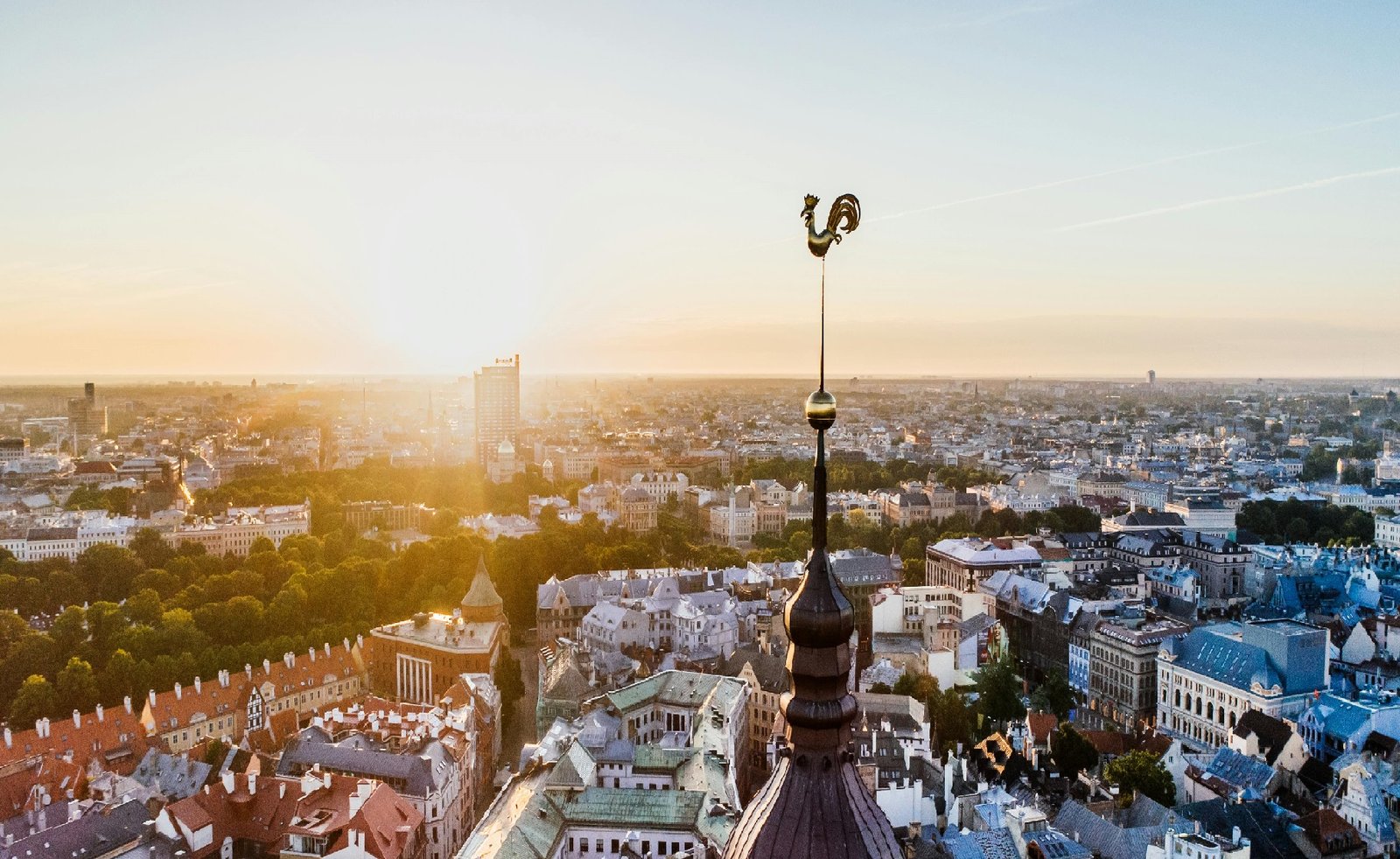
Latvia, a country in the Baltic region of Northern Europe, has a well-developed legal framework governing assets and money transfer activities. Understanding the laws and regulations surrounding assets and money transfer is crucial for individuals and businesses operating in Latvia to ensure compliance and avoid potential legal challenges. In this blog post, we will explore some key aspects of assets and money transfer laws and regulations in Latvia. 1. Money Transfer Regulations: In Latvia, money transfer operations are primarily regulated by the Law on the Prevention of Money Laundering and Terrorism Financing. This legislation requires financial institutions, money transfer operators, and other entities involved in money transfer activities to implement robust anti-money laundering (AML) and counter-terrorism financing (CTF) measures. They are required to conduct customer due diligence, monitor transactions for suspicious activities, and report any suspicious transactions to the relevant authorities. 2. Asset Protection Laws: Latvia has laws in place to protect assets, both tangible and intangible. The country's legal system provides mechanisms for individuals and businesses to safeguard their assets from creditors, legal disputes, or other risks. Asset protection strategies in Latvia may include setting up trusts, creating legal entities such as limited liability companies, or structuring assets in a way that minimizes exposure to potential liabilities. 3. Inheritance and Succession Laws: In the context of assets, inheritance and succession laws play a crucial role in determining how assets are transferred upon the death of an individual. In Latvia, inheritance laws govern the distribution of assets among heirs, including spouses, children, and other relatives. It is essential for individuals to understand these laws and, if necessary, to create a will or engage in estate planning to ensure that their assets are distributed according to their wishes. 4. Cross-Border Money Transfers: For individuals and businesses involved in cross-border transactions, Latvia's regulations on currency exchange and international money transfers are particularly relevant. The country is a member of the European Union and the eurozone, which means that euro is the official currency. When sending or receiving money from abroad, individuals and businesses must comply with foreign exchange regulations and may be subject to additional reporting requirements. 5. Compliance and Reporting Obligations: Compliance with assets and money transfer laws and regulations in Latvia is essential to avoid legal penalties and reputational risks. Financial institutions, money transfer operators, and other entities must stay up-to-date with developments in the regulatory landscape, implement internal controls, and train their staff on compliance requirements. Failure to comply with regulations can result in monetary fines, legal sanctions, or even criminal liability. In conclusion, assets and money transfer laws and regulations in Latvia aim to ensure the transparency, integrity, and security of financial transactions. By understanding and adhering to these regulations, individuals and businesses can navigate the legal landscape effectively and protect their assets while conducting money transfer activities in compliance with the law.
https://vollmacht.org
Leave a Comment:
SEARCH
Recent News
- The Schengen Zone is a popular travel destination for many tourists looking to explore a multitude of beautiful countries in Europe. From historic landmarks to stunning landscapes, this area offers something for everyone. One unique and stylish item that travelers often pick up as a souvenir is a woolen stole.
- **Exploring Winter Stoles in the Schengen Zone**
- The Schengen Zone, known for its open borders and seamless travel opportunities, is also home to a diverse range of wildlife that requires conservation efforts to ensure their survival. From the majestic brown bears of Slovenia to the elusive lynx of Sweden, the Schengen Zone is rich in biodiversity that must be protected for future generations to enjoy.
- The Schengen Zone and Vancouver's Top Startups: Exploring Innovation Across Borders
- The Schengen Zone and its Impact on Vancouver's Export-Import Industry
- The Schengen Zone is a region in Europe known for its open borders and the ease of travel it offers to the citizens of its member countries. On the other side of the world, in Vancouver, Canada, businesses are flourishing in a diverse and dynamic economy. While these two may seem unrelated at first glance, there are ways in which they intersect and impact each other.
- The Schengen Zone is a region in Europe that consists of 26 countries which have agreed to eliminate border controls between them, allowing for passport-free travel within the zone. This area is a popular destination for many travelers seeking to explore multiple countries without the hassle of border checks.
- The Schengen Zone and UK Government Business Support Programs are two important aspects that can greatly impact businesses operating in the European region. Understanding these concepts and how they can benefit businesses is key to success in today's global economy.
READ MORE
9 months ago Category :

The Schengen Zone is a popular travel destination for many tourists looking to explore a multitude of beautiful countries in Europe. From historic landmarks to stunning landscapes, this area offers something for everyone. One unique and stylish item that travelers often pick up as a souvenir is a woolen stole.
Read More →9 months ago Category :

**Exploring Winter Stoles in the Schengen Zone**
Read More →9 months ago Category :

The Schengen Zone, known for its open borders and seamless travel opportunities, is also home to a diverse range of wildlife that requires conservation efforts to ensure their survival. From the majestic brown bears of Slovenia to the elusive lynx of Sweden, the Schengen Zone is rich in biodiversity that must be protected for future generations to enjoy.
Read More →9 months ago Category :
